
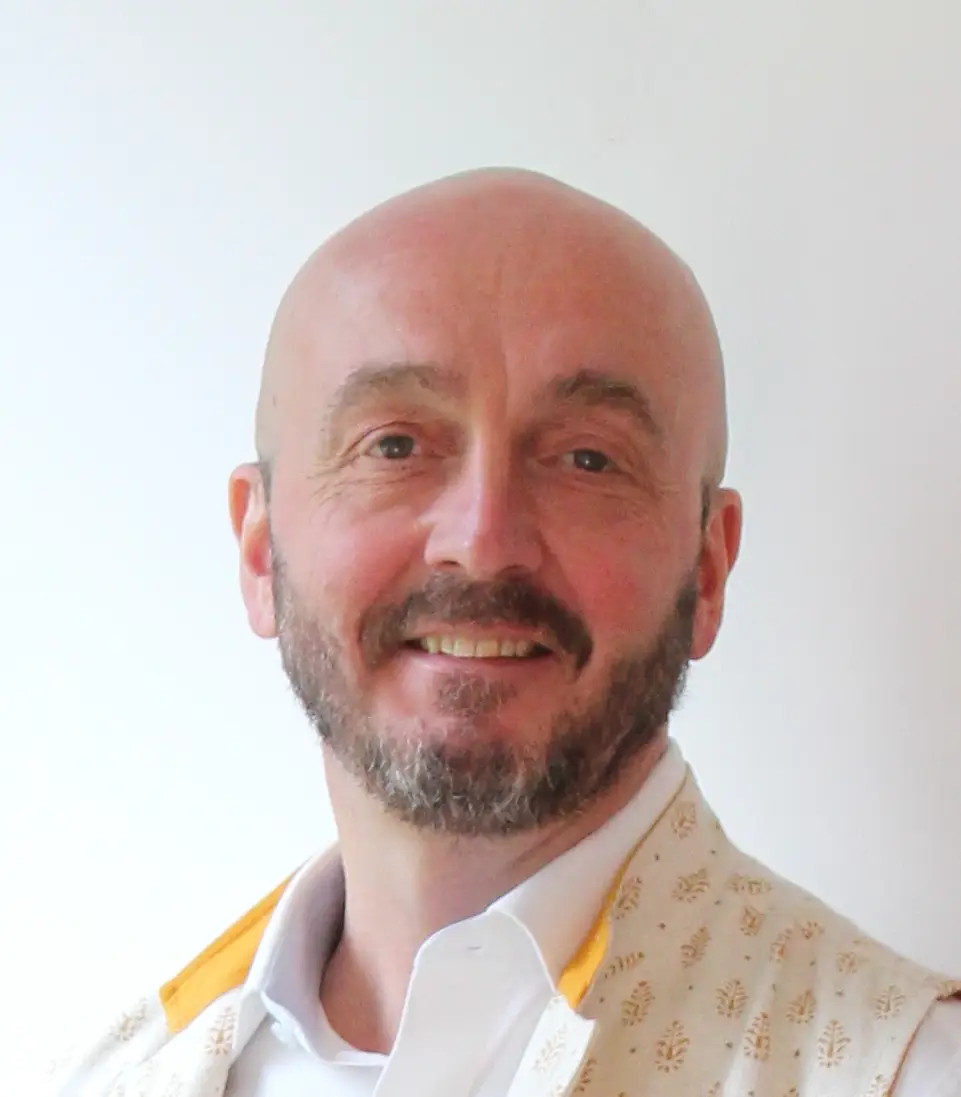
Stefaan van Hooydonk consults global corporations, leadership teams, and individuals to help build stronger curiosity muscles. He is the founder of the Global Curiosity Institute and author of the bestselling book The Workplace Curiosity Manifesto.
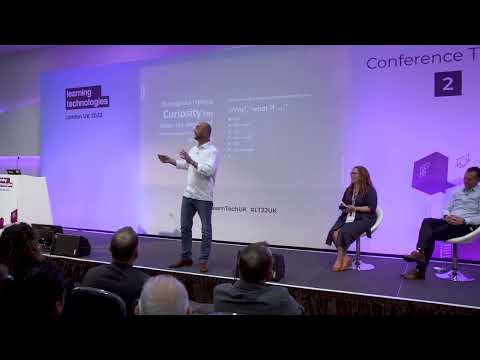

"Stefaan’s session at a full-day hybrid conference got the most attention in live online chat and breakout rooms, was the most engaging with both an in-person and live online audience and he was able to adapt his delivery for both audiences and work with the team in the moment to make the most of the hybrid event. His content and delivery is motivating and fascinating and I look forward to working with him in the future."
"In an uncertain and complex world your ability to learn is in my opinion the only sustainable competitive advantage. In his ground breaking book ‘the workplace curiosity manifesto’ Stefaan van Hooydonk states that the #1 driver for individuals, teams and organizations to boost their ability to learn is to become more curious. How? Well it all starts with asking more questions. We have invited Stefaan for multiple client events and each time the participants strengthened their muscles to be curious, gained new insights and walked a way with a lot of inspiration to make the world more curious. And that’s exactly what we need at this moment in time."
"Stefaan has proven an excellent speaker choice at the events I chair. He is clearly deeply knowledgeable about workplace curiosity and is able to share his expertise in an engaging way with his audience. He backs this up with his global experience as a Chief Learning Officer in large corporations, which provides real gravitas and credibility. There's no doubt that Stefaan is providing leading thinking and practice in this field and I have no hesitation in recommending him."
Stefaan van Hooydonk is the founder of the Global Curiosity Institute and author of the bestselling book The Workplace Curiosity Manifesto. He consults global corporations, leadership teams, and individuals to help build stronger curiosity muscles. Furthermore, he helps them in baselining individual and workplace curiosity and supports them with designing and implementing intentional curiosity improvement projects and learning initiatives.
Stefaan started his career in investment consulting in China. From there he moved to set up the executive education arm of a major business school in Shanghai, China Europe International Business School (CEIBS). He ran CEIBS for 5 years. Subsequently, he set up global learning teams and innovative corporate universities for Nokia (China/Finland), Agfa Healthcare (Belgium), Philips (The Netherlands), Flipkart (India), Saudi Aramco (Saudi Arabia), and Cognisant (UK). His last role was that of Chief Learning Officer for Cognisant, where he oversaw learning and development for over 300k associates across the globe. Additionally, he has been globally recognised for his innovative approach to learning, people, and technology.
Stefaan has a master’s degree in economics and in Chinese, together with postgraduate degrees in Marxist economics from China, cross-cultural management from France, and an executive MBA from Rutgers University. Moreover, he is a certified executive coach.
A Belgian national, Stefaan has been married for 25 years to Jeltje Peletier. Jeltje is a successful psycho- and yoga therapist. Together they have 4 children: Rik, Femke, Koen, and Menko. He practises meditation daily, is a marathon runner and food forest amateur and bee keeper, and is pursuing a master’s degree in philosophy.
Every person is born with a healthy dose of curiosity. Some people can maintain this level through adulthood. Many, however, see their original strength diminish over time. The same happens with systems like start-ups. Early start-ups have a high predisposition to exploration, only to see that this mindset deteriorates once the company expands, focuses on efficiency, conforms to rigid standards, and finds it harder to learn from mistakes.
Curious organisations are more successful than incurious ones, especially in times of change. Not only are they constantly looking for ways to improve their current operations, but they are also constantly scanning the industrial horizon for new opportunities.
In this session, Stefaan will explore what we know about curiosity, why it is important in our professional lives and our organisations, and reflect on strategies to get better at it.
The shadow a manager casts on the team is one of the biggest drivers of productivity, engagement, and the feeling of well-being of the team. Those managers who do this well uplift the team. Those who don’t stifle it. The key to effective task management and people leadership is curiosity.
Curious leaders are good at operationalising the present as well as securing the future. They create psychological safety for the team to thrive. Curious leaders represent a high level of cognitive, empathic, and self-reflective curiosity. Curious leaders are curious about the world around them, the people they work with, and their own internal conscious and unconscious drivers. They go out of their way to engage with their team, also in times of crisis. They stretch their teams to excel in the present and embrace the future.
In this interactive session, Stefaan explores what we know about curiosity, why it is important for leaders, professionals, and teams, what the barriers are and what leaders can do to get better at intentional curiosity for themselves and the people in their care. Every participant will be invited to do a curiosity assessment and will get a report on their individual curiosity profile.
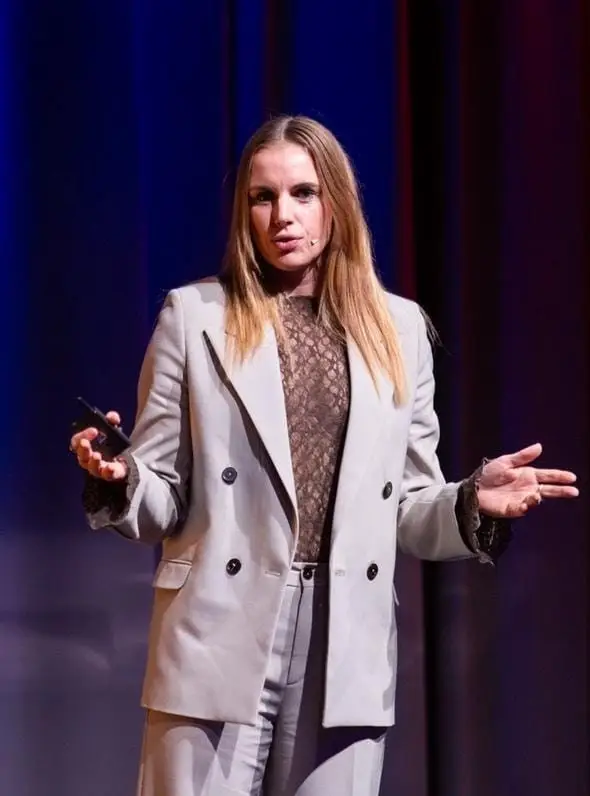
Speaker Ideas is proud to recommend Marit Bouwmeester, the most successful female Olympic sailor in history. Drawing on an extraordinary career at the pinnacle of elite sport, she equips organisations with practical strategies for resilience, personal leadership, growth mindset and performing with confidence under pressure.

Dominic Alldis is a distinguished musician and innovative business speaker, renowned for creating transformative learning experiences. He combines rich musical insights with business wisdom, addressing key areas like leadership, innovation, and collaboration in today’s dynamic business environment.

Nina Schick is a geopolitical strategist and AI expert specialising in the global race for Artificial General Intelligence and industrial intelligence. She helps business leaders and policymakers understand how AI infrastructure, generative technology and geopolitical competition are reshaping global power, security and economic strategy.

Alan O’Neill, MBA, is an international change management expert, consultant and keynote speaker who helps organisations increase sales and build a high performance culture by embedding a customer centric culture and overcoming resistance to change with practical, real-world ideas. Known for his down to earth style, commercial focus and no nonsense expertise, he delivers insights audiences can apply immediately.

Dr Marshall Goldsmith is a world-renowned business educator and one of the most respected executive coaches working today. He helps successful leaders and executive team members achieve meaningful, measurable change with practical tools for behaviour change, leadership development and human resources outcomes grounded in evidence.

Mark Gallagher is a leading keynote speaker on Formula 1, high-performance culture and change. A former senior F1 executive, he turns data-rich lessons from the paddock into practical actions that drive results, blending story, insight and humour that resonate with leaders worldwide.

Gianni Giacomelli helps organisations scale human innovation with AI. An expert in AI, innovation and organisational design, he’s led transformation across Genpact, SAP, BCG and Danone, and heads design innovation work at MIT’s Collective Intelligence Design Lab – where people and machines are designed to think better together.
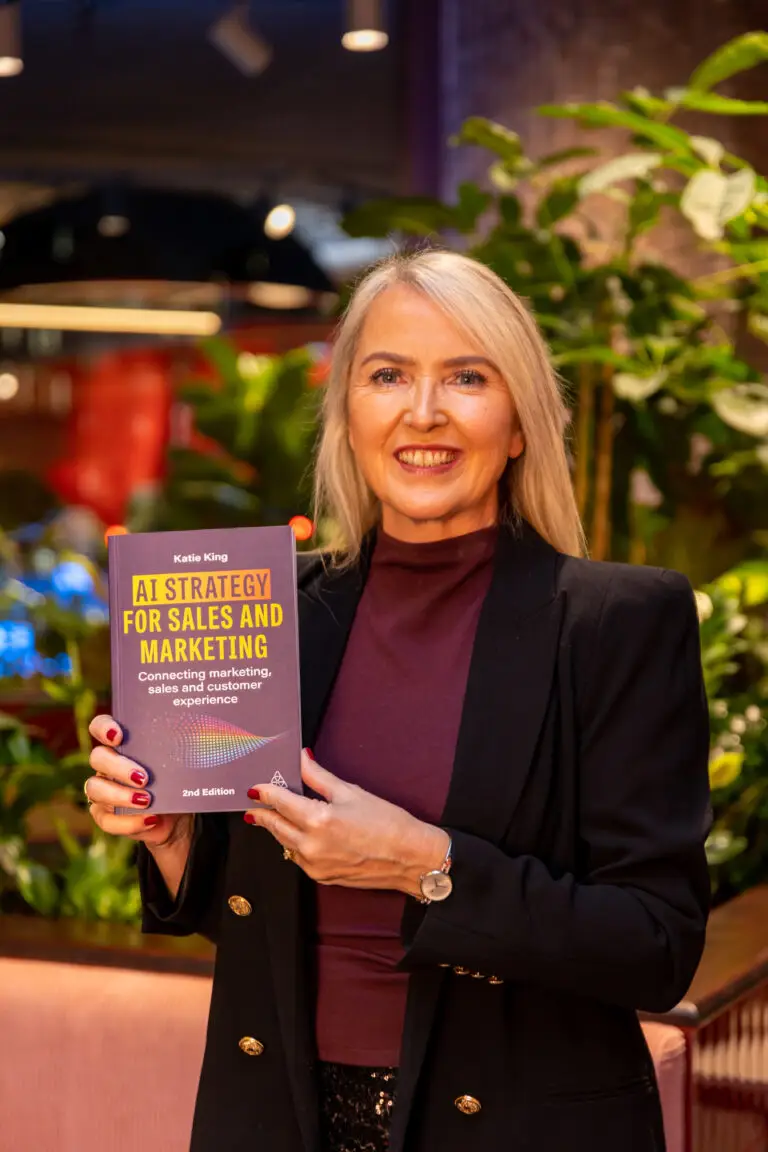
Katie King is a leading AI strategist, keynote speaker and author with over 35 years of consulting experience. She helps organisations across industries understand and apply AI to transform business performance, customer experience and leadership capability in an evolving digital landscape

Daniel Strode is a globally acclaimed speaker and bestselling author specialising in innovation, organisational culture, and AI in HR. His keynote sessions equip corporate audiences with actionable strategies for driving change, fostering creativity, and preparing for the future of work.

Julia Hobsbawm OBE
Julia Hobsbawm, recognised for her expertise on the future of work, has influenced many through her writing, speaking, and consulting. Her latest book, “Working Assumptions”, continues to challenge our understanding of workplace dynamics.