
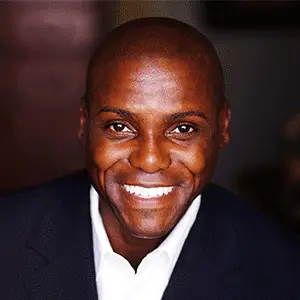
During his career Carl Lewis attended four Olympic Games, earning himself international respect and a place in history as one of the truly great athletes of all time.
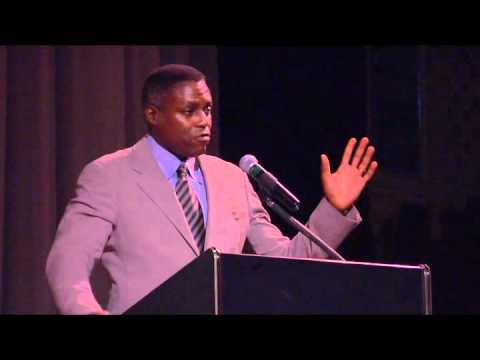

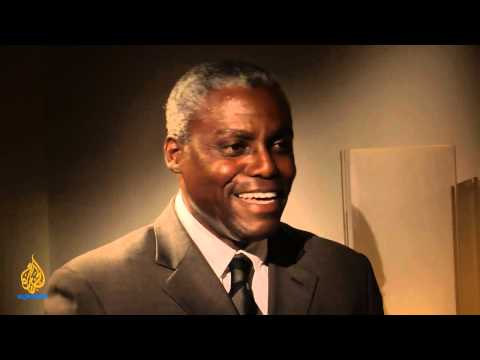
"Carl Lewis was received very well; the attendees were very excited to have him at the conference."
Lewis is a retired American track and field athlete who won 10 Olympic medals (9 gold) and 10 World Championships (8 gold) in a career that spanned from 1979, when he first achieved a world ranking, to 1996, when he last won an Olympic title and subsequently retired. He was a dominant sprinter and long jumper who topped the world rankings in the 100m, 200m and long jump events frequently.
He was named Athlete of the Year by Track and Field News in 1982, 1983 and 1984 and set world records in the 100 m, 4 x 100 m and 4 x 200 m relays. He still holds the current indoor world record in the long jump (since 1984). His 65 consecutive victories in the long jump achieved over a span of 10 years are one of the sport’s longest undefeated streaks. As a measure of his competitive accomplishments, his only two losses in the Olympics and World Championships prior to 1993 were to a world record (long jump in 1991) and a low-altitude world best (200 m in 1988). He has earned himself international respect and a place in history as one of the truly great athletes of all time.
His lifetime accomplishments have led to numerous accolades, including being voted “Sportsman of the Century” by the International Olympic Committee and being named “Olympian of the Century” by the American sports magazine Sports Illustrated. He also helped transform track and field from its nominal amateur status to its current professional status, thus enabling athletes to have more lucrative and longer-lasting careers.
Since his retirement from active competition in 1997, Carl Lewis has devoted a great deal of his time and energy to charity, founding “The Carl Lewis Foundation,” which serves as an umbrella for the many charities that Lewis supports…
Lewis is a retired American track and field athlete who won 10 Olympic medals (9 gold) and 10 World Championships (8 gold) in a career that spanned from 1979, when he first achieved a world ranking, to 1996, when he last won an Olympic title and subsequently retired. He was a dominant sprinter and long jumper who topped the world rankings in the 100m, 200m and long jump events frequently.
He was named Athlete of the Year by Track and Field News in 1982, 1983 and 1984 and set world records in the 100 m, 4 x 100 m and 4 x 200 m relays. He still holds the current indoor world record in the long jump (since 1984). His 65 consecutive victories in the long jump achieved over a span of 10 years are one of the sport’s longest undefeated streaks. As a measure of his competitive accomplishments, his only two losses in the Olympics and World Championships prior to 1993 were to a world record (long jump in 1991) and a low-altitude world best (200 m in 1988). He has earned himself international respect and a place in history as one of the truly great athletes of all time.
His lifetime accomplishments have led to numerous accolades, including being voted “Sportsman of the Century” by the International Olympic Committee and being named “Olympian of the Century” by the American sports magazine Sports Illustrated. He also helped transform track and field from its nominal amateur status to its current professional status, thus enabling athletes to have more lucrative and longer-lasting careers.
Since his retirement from active competition in 1997, Carl Lewis has devoted a great deal of his time and energy to charity, founding “The Carl Lewis Foundation,” which serves as an umbrella for the many charities that Lewis supports including the “Best Buddies” organization, The Wendy Marx Foundation (for organ donor awareness) and many youth fitness groups.
An activist for family, youth, education, wellness and fitness, Carl uses his international celebrity status to attract awareness for the challenges and opportunities surrounding these issues around the world.

Dame Kelly Holmes is a double Olympic champion, former British Army sergeant and inspirational keynote speaker. Best known for winning Olympic gold in both the 800m and 1500m at Athens 2004, she now shares powerful lessons on peak performance, resilience, mental health and achieving ambitious goals.

Colonel Terry Virts is a former NASA astronaut, International Space Station commander, Space Shuttle pilot and retired United States Air Force colonel. With 213 days in space across two missions, he brings first-hand lessons on leadership, risk and teamwork to corporate audiences. As a keynote speaker, Terry shares an extraordinary perspective shaped by life in orbit and decades of high-pressure decision-making.
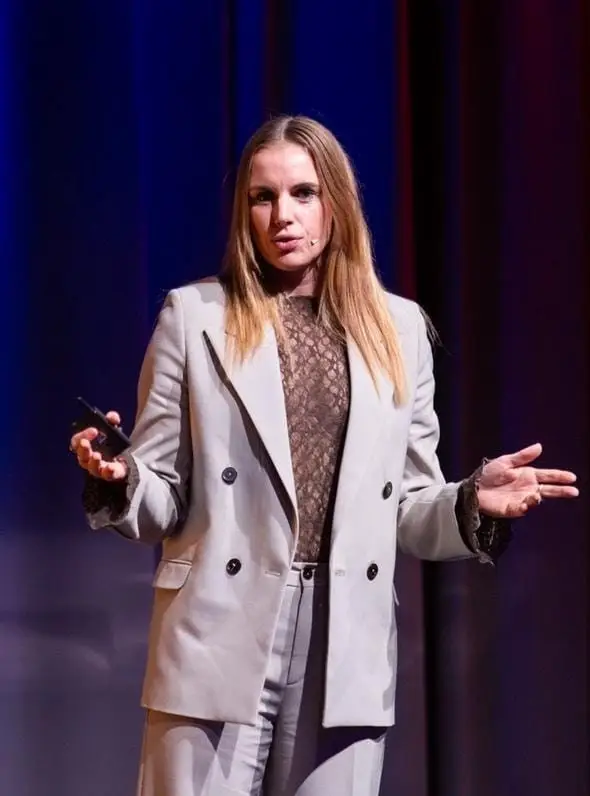
Speaker Ideas is proud to recommend Marit Bouwmeester, the most successful female Olympic sailor in history. Drawing on an extraordinary career at the pinnacle of elite sport, she equips organisations with practical strategies for resilience, personal leadership, growth mindset and performing with confidence under pressure.

Dominic Alldis is a distinguished musician and innovative business speaker, renowned for creating transformative learning experiences. He combines rich musical insights with business wisdom, addressing key areas like leadership, innovation, and collaboration in today’s dynamic business environment.

The Wool Act is a lively, interactive keynote experience created for corporate events. Using humour, surprise and audience participation, it turns a room full of delegates into an enormous web of connection, making collaboration, shared purpose and collective energy impossible to miss.

Nicholas McCarthy is a concert pianist and motivational speaker whose story of resilience and determination inspires audiences worldwide. Born without his right hand, he became the first one-handed pianist to graduate from the Royal College of Music. Through keynote talks and live performances, he challenges audiences to rethink what is possible.

Cathy O’Dowd is a South African mountaineer, author, and speaker, best known as the first woman to summit Mount Everest from both the north and south sides. She shares lessons from expeditions like Everest and the Mazeno Ridge on Nanga Parbat, focusing on leadership, teamwork, resilience, and decision-making under pressure.

Frank Dick OBE is a motivational keynote speaker and high-performance coach who helps leaders and teams build winning habits, stronger culture and sustained performance. He is a popular choice for conferences, leadership events and corporate team sessions.

Aidan McCullen is a keynote speaker on permanent reinvention, change leadership and digital transformation. An Irish change consultant and executive coach, he helps executive and organisational teams update mental models, change business models and embrace change with a practical, accessible and visual approach, building additional capability so organisations remain relevant amid galloping change.

Aimée Mullins has redefined what versatility looks like. From the track to the runway, from film and television to the speaker’s podium, her life is a masterclass in breaking through conventional boundaries.
