
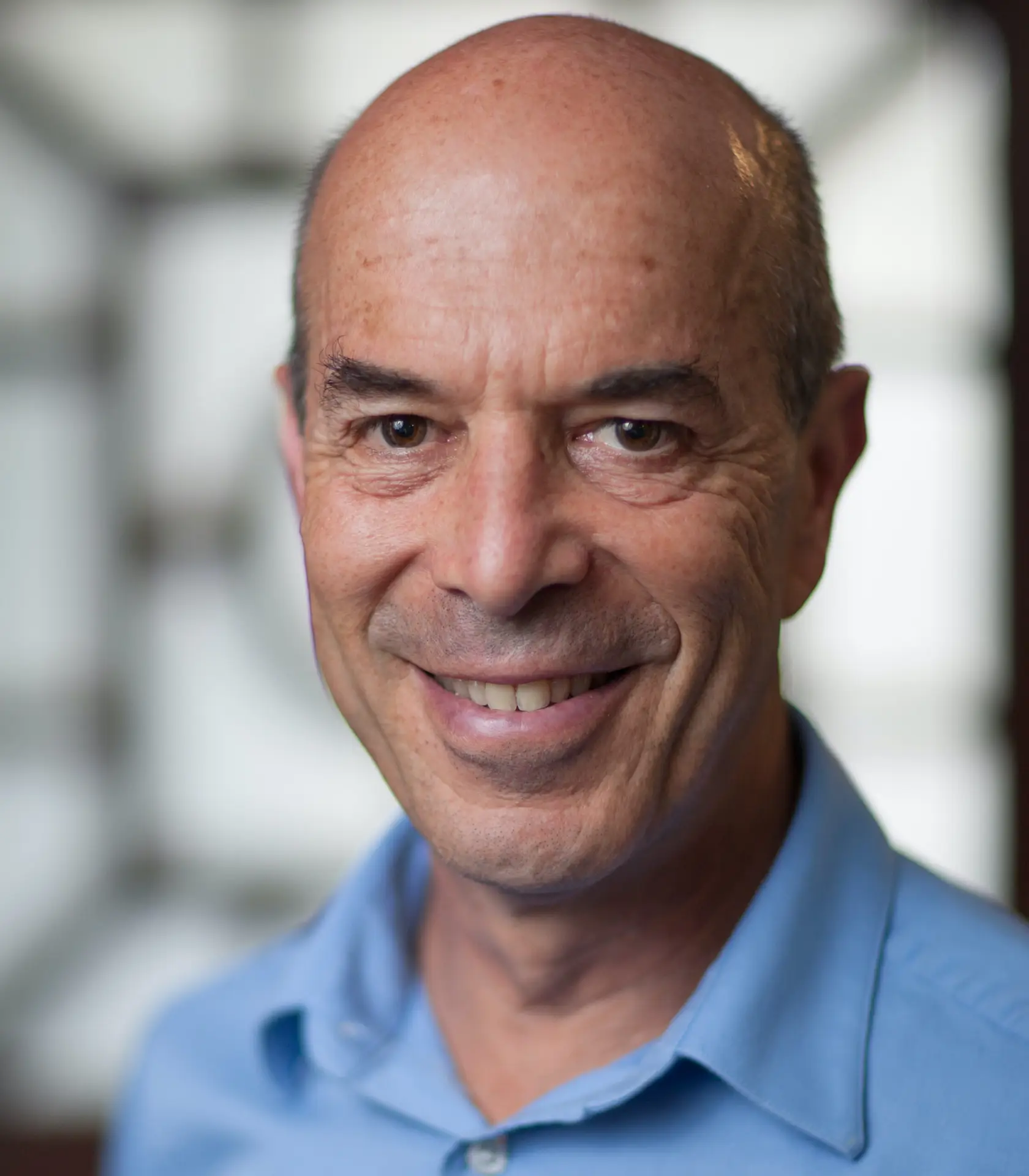
Ian Goldin, a respected professor at Oxford University and principal economist, has advised world leaders and written influential books. As a former World Bank vice president, his work shapes global discussions on technology, the economy, and global challenges, impacting both academia and policy-making.
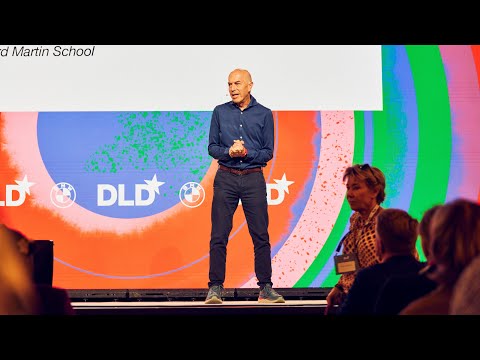

Ian Goldin’s career has been nothing short of remarkable. A global leader and world-leading expert, he has made significant contributions at the Oxford Martin School, where he played a key role in shaping its direction. He spearheaded projects on technological and economic change, the future of work, and sustainable development, tackling systemic challenges such as how globalisation creates systemic risks and global crises.
At a crossroads in global governance, Goldin shows the importance of addressing these pressing challenges, as highlighted by research from institutions like the Oxford Martin School. As a leading agent of change, he worked from 2006 to 2016 to advance efforts in addressing some of the world’s biggest challenges while exploring exciting opportunities for the future, cementing his reputation as a leading global thinker in global governance.
Before stepping into his current roles, Goldin took on leadership positions at some of the world’s most respected institutions. Serving as former Vice President of the World Bank and Director of Policy, he played a key role in shaping major development strategies.
Earlier, as Chief Executive of the Development Bank of Southern Africa and an economic advisor to President Nelson Mandela, he worked closely with the bank’s senior management team to make a tangible impact on driving economic growth and crafting policies in demanding environments. These experiences have equipped him with a deep understanding and a rare viewpoint on global economic dynamics.
Ian Goldin’s academic path is every bit as remarkable as his career. He’s built a strong educational foundation with studies at the University of Cape Town, the London School of Economics, and the University of Oxford, where he later became an Oxford University professor. Along the way, Professor Ian Goldin examines critical issues, and his research has played a key role in shedding light on global development challenges.
On top of that, he’s a highly accomplished author, with 24 books published through leading publishers like Cambridge University Press and Princeton University Press, translated into more than 20 languages. His writing, including contributions to the Very Short Introduction series, tackles big-picture topics like the risks tied to globalisation, the future of work, and how cities are evolving.
What makes his work stand out is how practical it is – it’s not just for academics but also a valuable resource for policymakers, business leaders, and anyone interested in development policy or trying to make sense of our ever-changing world.
Throughout his career, Professor Goldin has led the conversation on global trends and challenges, often predicting what’s on the horizon before most others. His deep understanding of globalisation, technological advancements, economic development, and urbanisation has earned him a reputation as a highly respected thinker and speaker.
From forecasting pandemics to examining shifts in global economies, such as South Africa’s Olympic bid, and the management of natural resources, his work delves into the ethical and social implications of these changes, shaping the thinking of decision-makers and influential leaders worldwide.
Goldin’s impact isn’t limited to academic circles. He’s actively involved in advisory roles and frequently speaks at high-profile events. Collaborating with top universities, major global companies, and organisations like the OECD Development Centre, he’s dedicated to sharing practical strategies and fresh ideas to build a brighter future for future generations.
Professor Goldin explains the importance of addressing the social implications raised by emerging technologies and emphasises the critical need for risk management. His perspectives also touch on the intersections of global politics and innovation, connecting with audiences everywhere—from the World Economic Forum in Davos to millions who’ve watched his TED talks on topics such as the potential dangers of unchecked AI development or what he calls the “AI kill development” scenario.
For the latest news on his research, publications, and upcoming events, head over to Professor Goldin’s website. To catch his daily thoughts and updates, make sure to follow him on Twitter @ian_goldin.
Ian Goldin’s career showcases his dedication to making sense of our ever-changing world and driving positive change on a global scale. As the founding director of a prominent institution and a former group’s director at a European bank, Ian has developed a deep understanding of economic trends and the importance of a well-crafted research and strategy agenda.
His experience also includes roles as a senior independent director and finance director, contributing to initiatives aligned with organisations like the United Nations. His insights are a valuable resource for anyone tackling today’s challenges. If you’re interested in having Ian share his expertise at your next event, head over to our contact page for more details!
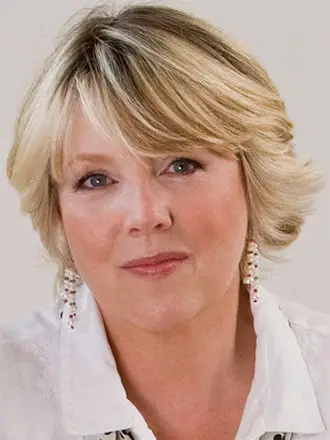
Jo Fairley is an entrepreneur, journalist, author and business speaker best known as the co-founder of Green & Black’s. Drawing on decades of experience building successful brands, she speaks about entrepreneurship, brand development, sustainable business and the lessons learned from turning a niche organic chocolate venture into an internationally recognised name.

Mary Robinson is a former President of Ireland and former United Nations High Commissioner for Human Rights, widely recognised for her leadership in climate justice and human rights. She was Ireland’s first female president, and has since built a global career as a lawyer, academic and international advocate. Her keynote presentations explore climate change, gender equality, responsible leadership and global cooperation, offering audiences a clear and human perspective on some of the world’s most pressing challenges.

Kishore Mahbubani is a distinguished diplomat and academic with over five decades in public service and academia. His profound insights on global policy, East-West relations, and diplomacy make him a sought-after keynote speaker for corporate events worldwide.

Inma Martinez is a digital pioneer and artificial intelligence scientist. Her pioneering innovations and advisory roles have marked her as a leading figure in navigating and shaping the digital future.

Brad Templeton, a pioneering figure in computing and internet technology, has significantly influenced the digital world. His expertise spans from founding ClariNet to advising Google’s self-driving car team, making him a highly sought-after speaker on technology’s future.

Theresa Schleicher is a keynote speaker, data scientist and leading expert on the future of retail. Known for her work with the renowned Zukunftsinstitut and Germany’s Federal Ministry of Economics and Climate Protection, she helps retail companies, business leaders and industry audiences understand the future trends, AI developments and customer expectations shaping tomorrow’s economy.

Solitaire Townsend is a globally recognised sustainability expert, TED speaker and keynote speaker who helps organisations turn climate change into a story of action, creativity and possibility. As co-founder and Chief Solutionist at Futerra, she works with influential organisations to activate positive and optimistic change, giving business leaders a clearer way to approach sustainability, climate action and long-term impact.

Prof Deborah Nas is a keynote speaker who makes new technologies such as artificial intelligence, generative AI and quantum technology clear, engaging and useful for business audiences. With deep expertise in technological innovation, strategic design and technology adoption, she helps organisations understand what is changing and how to respond with confidence.

Misha Glenny is an award-winning journalist, broadcaster, author and keynote speaker specialising in geopolitics, cyber security and organised crime. A former BBC Central Europe Correspondent, he brings decades of frontline experience to corporate events, helping audiences understand cyber threats, global organised crime, great power relations and the forces reshaping business and society.

Julia Hobsbawm OBE
Julia Hobsbawm, recognised for her expertise on the future of work, has influenced many through her writing, speaking, and consulting. Her latest book, “Working Assumptions”, continues to challenge our understanding of workplace dynamics.