
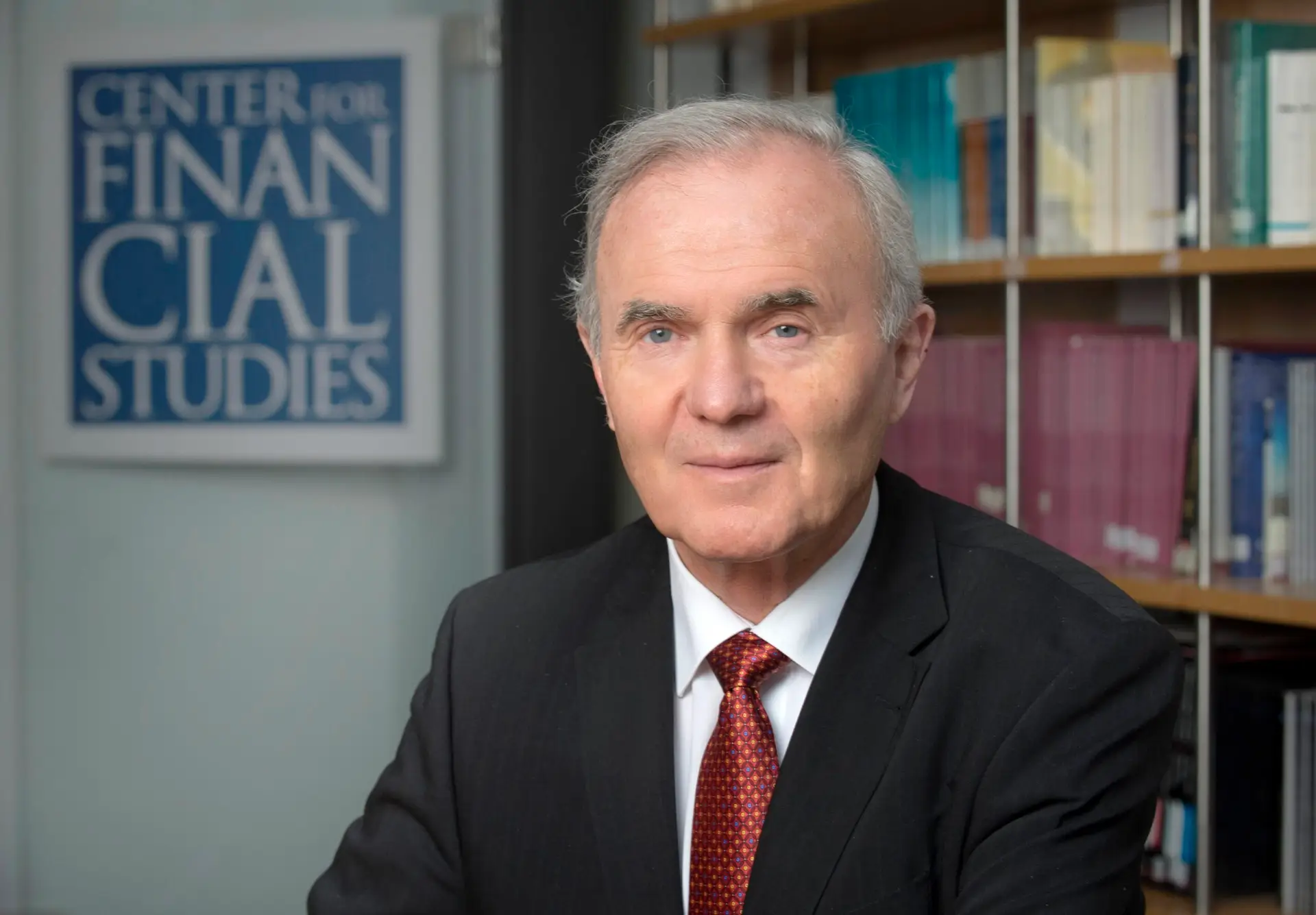
Otmar Issing is a leading economist and former Chief Economist of the European Central Bank. A respected speaker on monetary policy, central banking and the global economy, he brings decades of experience to discussions on price stability, financial markets and European economic affairs, offering audiences a first-hand view of major developments in modern monetary policy.


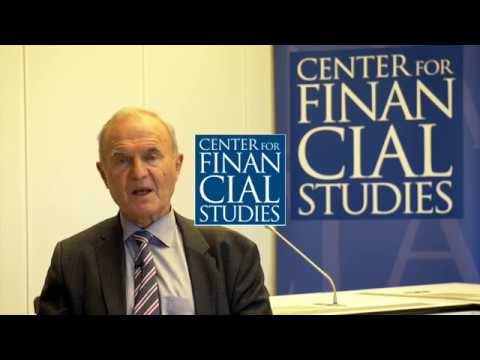
Professor Otmar Issing is one of Europe’s most respected economists and central banking experts. His career spans academia, economic policy and senior positions at both the Deutsche Bundesbank and the European Central Bank, giving him extensive experience of the forces shaping European and global financial markets.
Before moving into central banking, Issing spent more than three decades in academia. He held chairs in economics at the universities of Erlangen-Nuremberg and Würzburg and developed particular expertise in monetary theory, monetary policy and international economics.
From 1988 to 1990, he served on the German Council of Economic Experts, advising on the assessment of the country’s overall economic development. In 1990, he joined the Board of the Deutsche Bundesbank and became its Chief Economist, a role he held until 1998.
In 1998, Otmar Issing became a founding member of the Executive Board of the European Central Bank. As the ECB’s first Chief Economist, he was responsible for the Directorates General Economics and Research until leaving the Board in 2006.
His work placed him at the heart of the development of the ECB’s monetary policy strategy during the introduction and early years of the euro. He played a significant role in shaping the framework used to pursue price stability across the euro area, making him an important figure in the history of European monetary policy.
The experience gave Issing an unusual perspective on the relationship between central bank independence, inflation, currency stability, political decision-making and financial markets. His knowledge extends beyond economic theory to the practical challenges faced by policymakers when responding to uncertainty and major shifts in the global economy.
Following his time at the ECB, Issing continued to contribute to debate around financial and economic affairs. In 2008, German Chancellor Angela Merkel appointed him to lead an advisory group examining reforms to the international financial architecture. He was also a member of the European Commission’s High-Level Group on financial supervision chaired by Jacques de Larosière.
As a keynote speaker, Otmar Issing brings an insider’s understanding of central banks, monetary policy and the European economy to business and financial audiences.
His presentations can explore the euro, inflation, price stability, financial markets, central bank independence and the challenges facing the European Union. He can also examine how political and economic developments influence monetary policy, business confidence and the wider global economy.
For event organisers looking for keynote speakers with genuine experience at the highest level of European economic policymaking, Issing offers a perspective shaped by both academic research and practical leadership. Rather than commenting on monetary policy solely from the outside, he helped shape the policies and institutions at the centre of European monetary union.
His experience makes him particularly relevant for conferences and events focused on finance, economics, banking, European affairs, international markets and global trends.
A central theme throughout Issing’s career has been the importance of credible monetary policy and price stability. His work at the Bundesbank and European Central Bank placed him at the centre of discussions about how central banks should respond to inflation, financial uncertainty and changing economic conditions.
He has continued to write and speak about the role of independent central banks and the risks they face when their responsibilities extend beyond their core monetary mandate. His expertise gives audiences a deeper understanding of how decisions on interest rates, inflation and currency policy can affect businesses, financial markets and the wider economy.
Issing is also the author of numerous academic articles and books. His best-known English-language book, The Birth of the Euro, was published by Cambridge University Press in 2008. It provides an insider account of the development of the single European currency and the economic and political questions surrounding its creation.
With experience spanning academia, the Bundesbank and the Executive Board of the European Central Bank, Otmar Issing offers event audiences informed insight into monetary policy, European economic affairs and the forces influencing the global financial system.
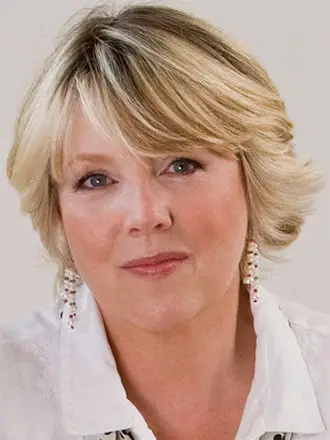
Jo Fairley is an entrepreneur, journalist, author and business speaker best known as the co-founder of Green & Black’s. Drawing on decades of experience building successful brands, she speaks about entrepreneurship, brand development, sustainable business and the lessons learned from turning a niche organic chocolate venture into an internationally recognised name.

Pellegrino Riccardi is a keynote speaker and cross-cultural communication expert known for making complex ideas about culture, behaviour and relationships easy to understand. Based in Norway, he combines humour, research and real-world experience to help organisations communicate more effectively, strengthen workplace culture and build better relationships across borders, teams and cultural differences.

Ann Pettifor is a political economist, author and keynote speaker specialising in global finance, debt, monetary policy and climate economics. As Director of PRIME and a leading voice on financial reform, she brings audiences a clear understanding of the forces shaping global economies and how the financial system affects business, governments and everyday life.

Leymah Gbowee is a Liberian peace activist, trained social worker, women’s rights advocate and 2011 Nobel Peace Prize laureate. Internationally recognised for her leadership in bringing women together across religious divides during Liberia’s civil war, she speaks about peacebuilding, women’s leadership, social change and the power of nonviolent action.

Dr James Hewitt is a human performance scientist, keynote speaker and author who helps leaders and teams perform under pressure, sustain high performance and protect their wellbeing. Drawing on more than 20 years of experience in human performance, his work brings together performance science, elite sport and the realities of demanding modern workplaces.

Mary Robinson is a former President of Ireland and former United Nations High Commissioner for Human Rights, widely recognised for her leadership in climate justice and human rights. She was Ireland’s first female president, and has since built a global career as a lawyer, academic and international advocate. Her keynote presentations explore climate change, gender equality, responsible leadership and global cooperation, offering audiences a clear and human perspective on some of the world’s most pressing challenges.

Robert Daverschot is an experienced event moderator, dagvoorzitter and speaker coach known for his calm, engaging presence on stage. With a background in hospitality, event production and TV talk show editing, he helps audiences feel involved and speakers feel at ease. Fluent in Dutch and English, he works with organisations in the Netherlands and abroad, moderating conversations with experts, ministers and business leaders while supporting keynote speakers to deliver stronger presentations.
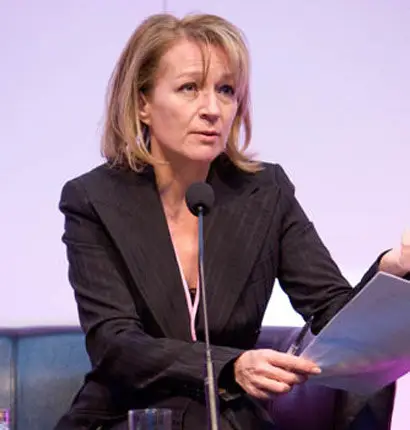
Rita Clifton CBE is a leading global brand expert, business leader and keynote speaker. A former London CEO and Chairman of Interbrand, she has advised major organisations on brand strategy, reputation and growth, while building an extensive portfolio of chairing and non-executive director roles.

Dame Kelly Holmes is a double Olympic champion, former British Army sergeant and inspirational keynote speaker. Best known for winning Olympic gold in both the 800m and 1500m at Athens 2004, she now shares powerful lessons on peak performance, resilience, mental health and achieving ambitious goals.

Colonel Terry Virts is a former NASA astronaut, International Space Station commander, Space Shuttle pilot and retired United States Air Force colonel. With 213 days in space across two missions, he brings first-hand lessons on leadership, risk and teamwork to corporate audiences. As a keynote speaker, Terry shares an extraordinary perspective shaped by life in orbit and decades of high-pressure decision-making.
